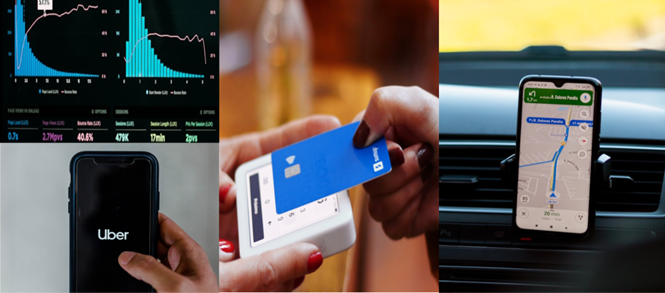
Have you ever wondered how Uber really makes money? It's not just about ride fares. For full-year 2025, Uber reported revenue of $52.0 billion, up 18% year-over-year, on $193 billion in Gross Bookings, its fifth consecutive year of 20%+ Gross Bookings growth.
In reality, Uber has crafted a sophisticated business model that extends beyond simply transporting passengers. Using technology, they employ dynamic pricing and tap into various revenue streams like Uber Eats and strategic advertising partnerships.
These components enable Uber to adapt to ever-changing market demands and maintain a competitive edge. Understanding this approach highlights Uber's potential for future growth.
Curious about where they're headed next?
Comprehending Uber's business model reveals how the company has disrupted traditional transportation markets while generating substantial revenue. Uber's global presence now extends across over 70 countries, and by Q4 2025 the platform had grown to 202 million Monthly Active Platform Consumers, up 18% year-over-year, completing more than 40 million trips a day.
At its core, Uber utilizes technology to enhance customer experience and operational efficiency, making it a formidable player in the industry. By connecting riders with drivers through a user-friendly app, Uber streamlines the booking process, enabling faster pickups and reducing wait times. This efficiency translates to higher customer satisfaction, as users appreciate the reliability and convenience. Companies aiming to develop similar custom solutions can benefit from custom software development services.
Uber's dynamic pricing model further optimizes operational efficiency. By adjusting fares based on demand, the company maximizes revenue while ensuring drivers remain incentivized to accept rides. This creates a win-win scenario that encourages drivers to stay active during peak times, ultimately benefiting the rider.
Additionally, Uber employs data analytics to track usage patterns and improve service offerings. By analyzing customer feedback and ride data, Uber continuously refines its platform, enhancing user experience and maintaining its competitive edge.
These aspects of Uber's business model shed light on its success and underscore the importance of integrating technology to boost efficiency and improve customer satisfaction. Exploring similar strategies can help your business thrive in a competitive landscape.
Revenue streams are the lifeblood of any business, and for Uber, they're as varied as they're innovative. Comprehending these streams can provide valuable insights into how Uber sustains operations and drives growth.
Here are three key revenue streams for Uber:
Dynamic pricing strategies are essential for Uber's ability to maximize revenue while responding to real-time demand fluctuations. Studies have shown that surge pricing can lead to a 20% increase in driver availability during peak times, enhancing overall service efficiency. Using sophisticated dynamic pricing algorithms, Uber adjusts fares based on supply and demand dynamics.
When demand surges, like during rush hours or special events, these algorithms automatically increase prices, a practice known as surge pricing.
The surge pricing impact is significant. It incentivizes more drivers to hit the road when demand spikes and helps balance the supply-demand equation. For you in the role of a rider, this means you might pay a premium during busy times, but it also guarantees that you can find a ride when you need it most.
Understanding these dynamic pricing strategies provides insight into Uber's revenue generation model and showcases how technology and data analytics shape its operational framework.
By implementing these strategies, Uber effectively navigates market challenges and supports its continued leadership in the rideshare industry. For businesses looking to adopt similar data-driven approaches, exploring custom solutions can yield impressive results.
Uber's driver partnership model plays an essential role in its revenue generation strategy by utilizing a revenue-sharing structure that benefits both the company and its drivers. Uber's driver and courier base has grown to roughly 9.9 million people earning on the platform as of Q1 2026, up from 8.5 million a year earlier, with earnings continuing to grow alongside the company's topline.
Comprehending how driver incentives work can reveal why so many choose to partner with Uber, ultimately enhancing the platform's appeal.
While you explore the various partnership benefits, you'll see how they create a symbiotic relationship that drives Uber's growth and profitability.
Revenue Sharing Structure
Navigating the ins and outs of ride-sharing platforms gives us a better understanding of how drivers make their money. To really get a handle on this, we need to look at how Uber shares its revenue. This system aims to find a balance between what drivers earn and keeping things clear about their earnings. This transparency is really important for keeping drivers happy and encouraging them to stick around.
In the fast-paced world of ride-sharing, keeping drivers happy and engaged is key. Uber has put together some thoughtful incentive programs aimed at boosting driver satisfaction and encouraging them to stay on board. When you take a closer look at these incentives, you'll see how they significantly improve driver performance and the quality of service provided to riders.
| Incentive Type | Purpose | Impact on Driver Satisfaction |
|---|---|---|
| Earnings Guarantees | Provide financial stability | Reduces anxiety about earnings |
| Performance Bonuses | Reward high-performing drivers | Encourages exceptional service |
| Referral Programs | Motivate current drivers to recruit | Expands driver network |
These incentive programs boost driver morale and directly correlate with improved customer experiences.
When drivers feel valued and supported, they're more likely to deliver exceptional service, leading to higher ratings and repeat business. Consequently, Uber's focus on driver satisfaction through effective incentives cultivates a loyal driver base, which is crucial for maintaining a competitive edge in the constantly changing ride-sharing market.
Often, successful partnerships in the ride-sharing industry create a win-win scenario for both drivers and the platform.
Uber's driver partnership model emphasizes collaboration strategies that enhance operational efficiency and driver satisfaction. By utilizing partnership advantages, Uber can maintain a competitive edge while providing drivers with valuable resources.
Here are three key benefits of Uber's driver partnerships:
This strategic approach not only improves driver retention but also enhances customer satisfaction.
While you consider your own business partnerships, think about how collaboration strategies can yield similar benefits. Successful partnerships can help you create effective strategies that promote growth and spark innovation within your organization.

Technology plays a pivotal role in shaping how companies like Uber generate revenue and enhance user experience. Through effective technology integration, Uber has developed solutions that streamline processes and improve ride-hailing efficiency.
Utilizing data analytics, GPS tracking, and mobile applications, Uber optimizes driver routes and enhances customer satisfaction. That live-map matching problem, putting the right person in the right place in real time, is the same core engineering challenge behind ShiftPass, a shift marketplace AppMakers built and still runs, right down to hunting down a live-map flicker bug that only showed up under real usage.

Here's a look at how technology impacts Uber's operations:
| Technology Aspect | Impact on Revenue |
|---|---|
| Data Analytics | Improves pricing algorithms and demand forecasting |
| GPS Tracking | Minimizes wait times, increasing ride volume |
| Mobile App | Facilitates seamless user experience and engagement |
| Payment Systems | Guarantees quick and secure transactions |
| Driver Management Systems | Optimizes driver availability and reduces downtime |
When you look at how Uber expands its market presence, you'll notice strategic partnerships and alliances play an essential role. Uber's strategic partnerships, such as its collaboration with BYD to lease 100,000 electric vehicles, have been instrumental in expanding its market presence and promoting sustainability.
Geographic diversification strategies enable Uber to tap into new customer bases, while service expansion initiatives help it meet diverse needs across various regions.
Comprehending these tactics can offer valuable insights into how successful companies like Uber steer through competitive landscapes.
Utilizing strategic partnerships and alliances has become a pivotal market expansion tactic for companies like Uber, allowing them to tap into new customer segments and enhance their service offerings.
By forming strategic collaborations with various businesses, Uber creates alliance synergies that broaden its reach and improve customer experience.
Here are three key ways strategic partnerships benefit Uber:
Through these strategies, Uber effectively utilizes strategic collaborations to expand its market presence and enhance its brand value, showcasing the importance of alliance synergies in today's dynamic business environment.
Many companies today recognize that geographic diversification is an essential strategy for market expansion. Using geographic segmentation, you can identify and target specific regions that align with your business goals.


Uber exemplifies this approach by adapting its services to meet local demands and preferences, allowing it to thrive in diverse markets.
Market localization plays a critical role in this strategy. Uber tailors its offerings, like UberX, UberPOOL, or UberEats, based on regional needs, ensuring relevance and competitiveness. For example, in some countries, Uber might emphasize safety features, while in others, it might focus on affordability or unique local partnerships.
Data-driven insights help you understand which markets are ripe for entry. By analyzing demographics, urban density, and ride-hailing trends, you can prioritize expansion efforts effectively. This strategic focus mitigates risks and maximizes potential returns.
As you consider your geographic diversification strategies, remember that successful implementation requires thorough research and agile adaptation to local cultures and regulations.
Embracing these principles can set your business apart, much like Uber has done globally. If you're looking to develop a tailored app for your geographic expansion, AppMakers USA can help!
Expanding services strategically can reveal new revenue streams and enhance market presence for businesses. For Uber, implementing effective service expansion initiatives is vital for maintaining its competitive edge.
By utilizing service diversification tactics, the company can address various consumer needs while ensuring solid market penetration strategies.
Here are three key initiatives that can help:
Uber has long held a dominant share of the US rideshare market, though the exact split shifts by source and date. A widely cited March 2024 estimate put Uber at roughly 76% of observed US rideshare spending versus Lyft's 24%, and more recent 2026 estimates put Uber somewhere in the 68 to 76% range depending on the tracking firm. Uber operates in a dynamic competitor landscape, with key players like Lyft, Ola, and Bolt vying for market share. Recognizing their market positioning can help you identify opportunities and threats.
Here's a concise table summarizing the competitors:
| Competitor | Market Positioning | Unique Features |
|---|---|---|
| Uber | Global leader | Diverse services (e.g., Uber Eats) |
| Lyft | Strong in the U.S. | Strong focus on sustainability |
| Ola | Dominant in India | Localized services and pricing |
| Bolt | Rapidly growing in Europe | Affordable rides and incentives |
Analyzing these competitors reveals critical insights. Uber's expansive global reach offers a distinct advantage, while Lyft's sustainability efforts appeal to eco-conscious consumers. Ola's localized strategies cater specifically to the Indian market, and Bolt's affordability appeals to cost-sensitive riders.
With the ride-hailing market continually evolving, Uber stands at a pivotal crossroads where future growth opportunities abound. Uber's focus on sustainability initiatives, such as the adoption of electric vehicles and carbon offsetting programs, aligns with global trends towards greener transportation solutions.
To harness these prospects effectively, you'll want to focus on three key areas:
To guarantee passenger safety, Uber employs safety measures like driver background checks, ride tracking, and in-ride features. They also have emergency protocols in place, providing you with a secure and reliable ride experience.
Customer feedback drives Uber's operations, enhancing customer satisfaction through continuous feedback loops. You'll see how these insights shape service improvements, optimize user experiences, and ultimately foster loyalty, making your rides more enjoyable and reliable.
When you encounter driver disputes, Uber's driver support team addresses your concerns swiftly. They utilize a structured complaint resolution process, ensuring fair assessments and maintaining driver satisfaction, which is essential for their operational efficiency.
You're witnessing a shift in transportation since Uber adopts electric vehicles and carbon offsetting initiatives. These strategies not only reduce emissions but also demonstrate a commitment to sustainability, reshaping urban mobility for a greener future.
To maintain its brand reputation, you should focus on effective reputation management and implement brand loyalty strategies. This creates trust and encourages repeat usage, ensuring your brand remains relevant and positively perceived in a competitive market.
Uber's business model exemplifies how technology and strategic planning can reshape traditional industries. By integrating dynamic pricing, diverse revenue streams, and solid driver partnerships, Uber has set a benchmark in the ride-sharing sector.
If you're inspired by Uber's approach and seek to develop a custom application that uses similar strategies, consider partnering with AppMakers USA. Our expertise in custom software development, mobile app development, and staff augmentation can help transform your vision into a successful reality.
Take the next step in your business journey with AppMakers USA.