Home
Our Process
Portfolio
FAQ
Where can I see your previous work?
Check out our portfolio at AppMakersLA.com/portfolio
What services do you offer?
We are a Los Angeles app and web development company. As such, we offer: 1) Design for Apps, Webapps and Websites 2) Mobile App Development for iPhone Apps, Android Apps and iPad Apps & Web Development for Webapps. Each project includes full QA Services as well as a product manager.
Where are your app developers located?

Our app developers are mainly located at 1250 S Los Angeles St, Los Angeles, CA 90015, though we have other offices around the world, and we hire the best developers wherever and whenever we find them. If having engineers & designers in Los Angeles is critical to the project, we have the resources to make that happen.

How much do you charge for your services?
Our cost varies depending on the project. Please contact us for a mobile app development consulting session and we will get you an estimate + analysis pronto.
Can you build software for startups?
Yes, we consider ourselves a startup app development company, as well as an agency that builds software for already established firms.

Discover 30+ more FAQs
View all FAQs
Blog
Contact ussms IconCall Icon
We answer our phones!
App Development / Best Niche Dating...

Best Niche Dating Apps: Find Your Perfect Match in 2025

The best niche dating apps are changing the way people find love, making it easier to connect with someone who truly gets you. 

Whether you're all about small-town living, dedicated to your faith, or passionate about fitness, mainstream apps might fall short in matching you with like-minded partners. That’s where specialized platforms come in, offering a space where shared values and lifestyles take center stage.

Why would you keep sifting through endless profiles that don’t quite align with what you want, when there’s a community designed just for you? 

Ready to find your people? Let’s dive into the world of niche dating apps and discover the best platforms that fit your unique needs perfectly.

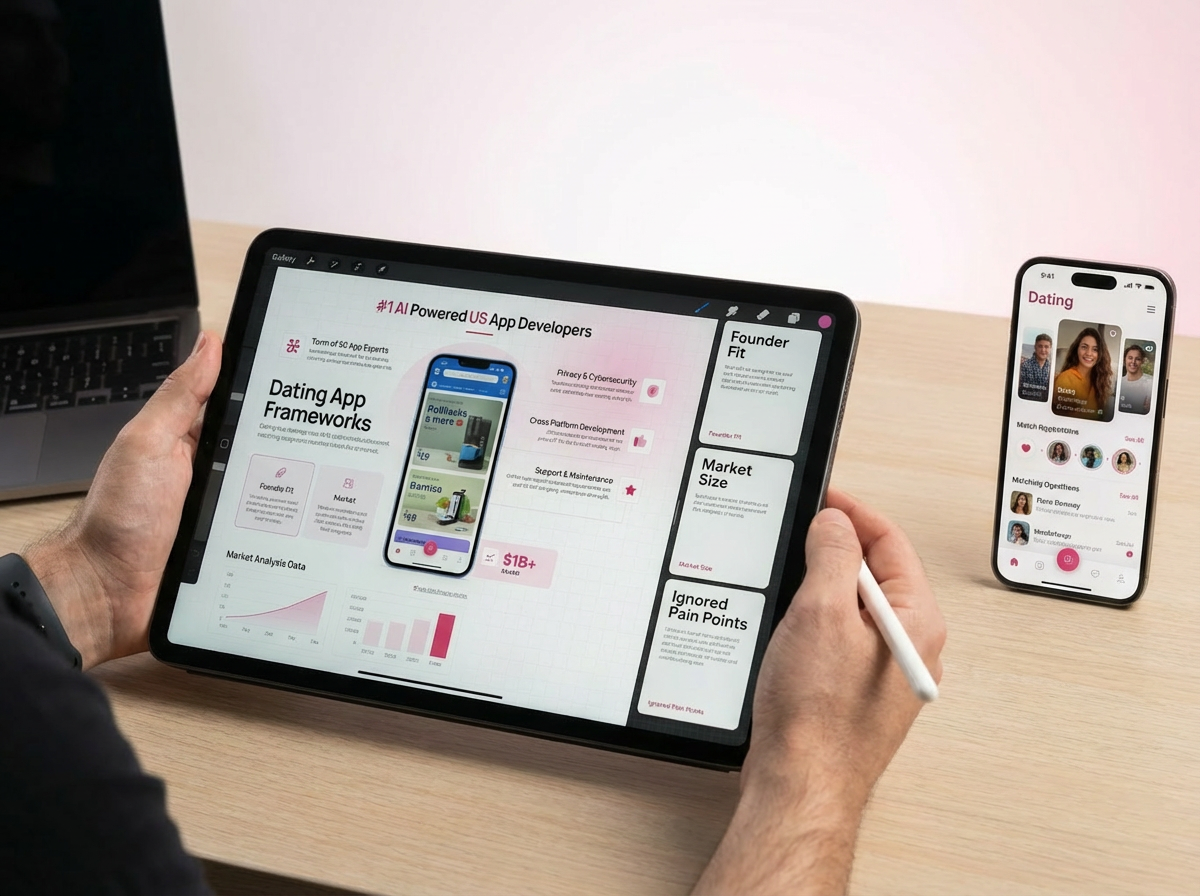
How to Choose a Dating Niche Worth Building

If you are thinking like a founder instead of a dater, start with market depth, product pain, and monetization potential. The best niche is not just interesting. It has to be strong enough to build a business around.

Founder-market fit matters first. If you already understand the community’s language, values, and dating norms, you are far more likely to build something that feels natural instead of generic.

Then validate the opportunity. The global online dating app market generated $8.64 billion in 2023, and focused products can still win inside that larger market. Grindr’s expected $343 million to $345 million in 2024 revenue is a clear sign of that. Feeld is another example. By building around dating and relationship models mainstream apps still handle poorly, it reached £39.5 million in 2023 revenue.

The takeaway is practical: choose a niche you truly understand, make sure the market can support a business, and solve a frustration bigger apps still leave open.

Dating Apps with Strong Community Features and Moderation

Choosing a niche is one part of the equation. The other is whether people actually feel comfortable staying on the platform.

That is where community design starts to matter. Users are not just looking for matches. They are looking for environments that feel safe, respectful, and worth coming back to.

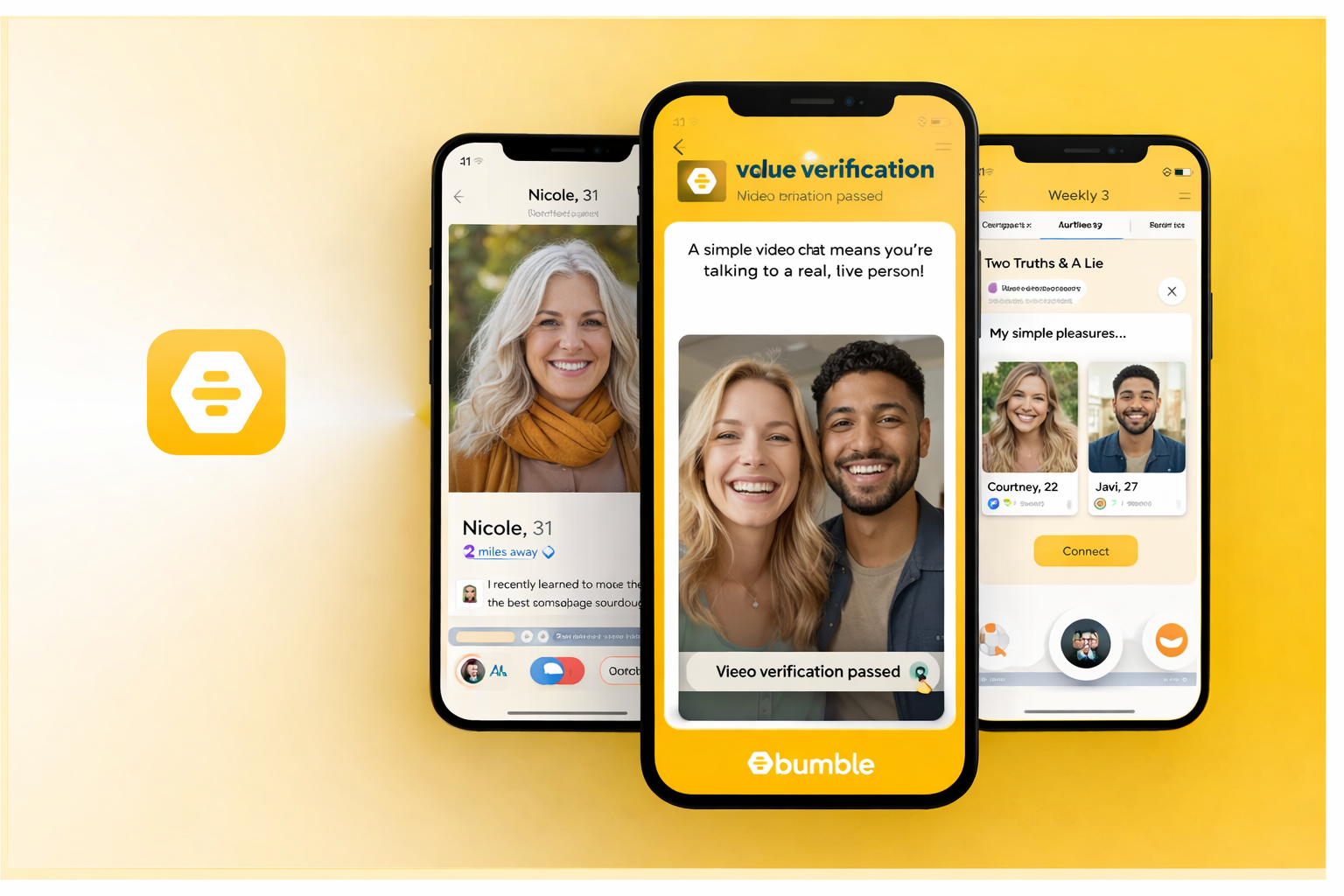
Bumble built that trust early by requiring women to make the first move and layering in photo verification. That simple shift reduced unwanted behavior and gave users more control over their experience.

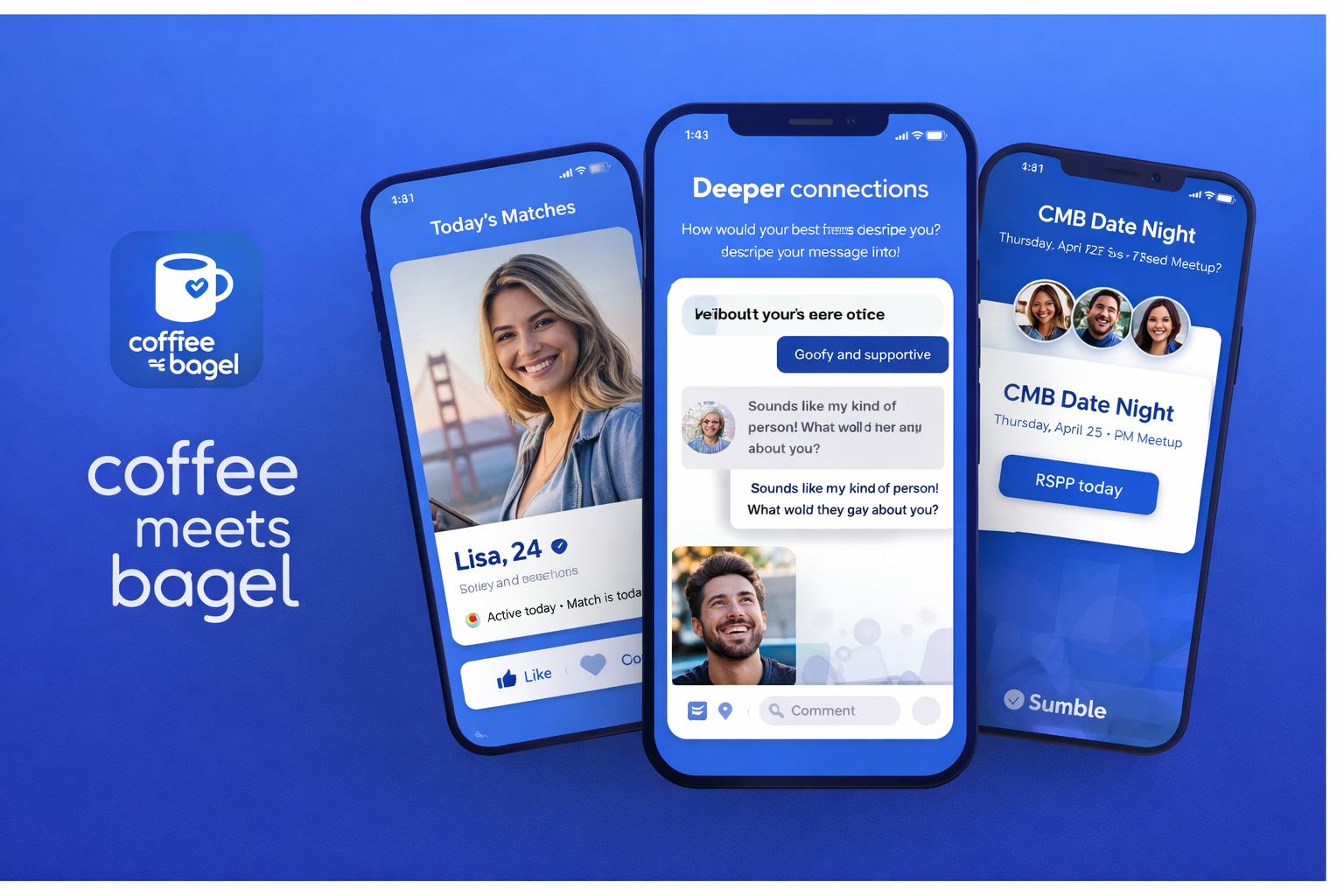
Coffee Meets Bagel took a different route by limiting daily matches. Instead of endless swiping, users get a curated set each day, which helps reduce fatigue and keeps interactions more intentional.

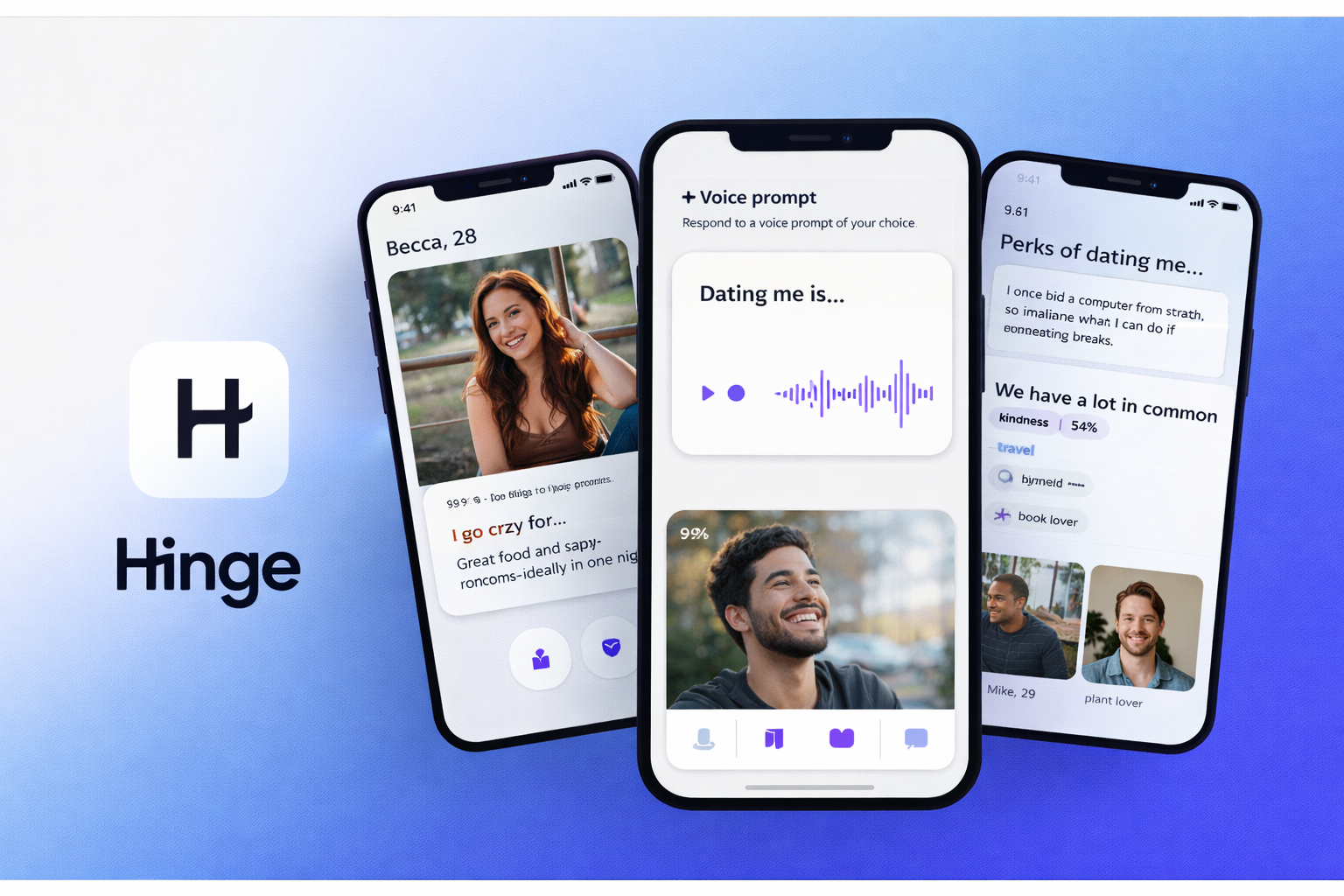
Hinge focused on depth. Its prompt-based profiles push users to show personality upfront, which leads to more meaningful conversations and fewer low-effort matches.

For founders, this is not just product design. It is retention. Features like verification, curated matching, prompts, and even in-app events act as filters that shape behavior. The result is a better community, and better communities tend to hold users longer.

Faith-Centered Dating Platforms

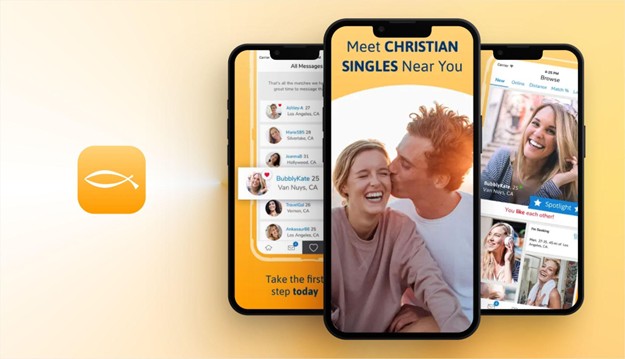
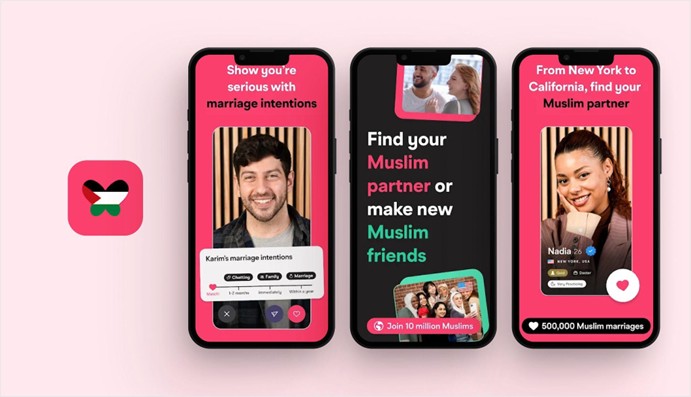
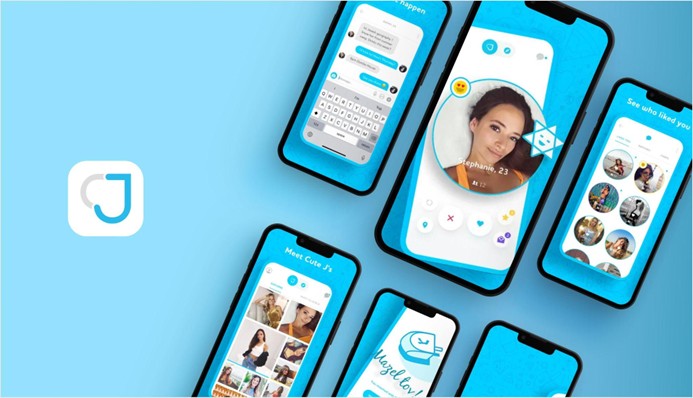
In the realm of finding love, faith-centered dating platforms provide a distinctive avenue for individuals seeking relationships anchored in shared beliefs. Apps like Christian Mingle, Muzz, and JSwipe cater to specific religious communities, ensuring that faith is integral to the partner search. 

Christian Mingle is notable for its significant success in Christian marriages, as it accounts for more Christian marriages than other sites.

In fact, 80% of Christian singles have tried online dating, highlighting the growing trend of using digital platforms to connect with like-minded individuals. 

For Muslim singles, Muzz boasts over 7 million users and serves those looking for committed, faith-based relationships within Muslim communities. The app prioritizes cultural and religious values, making it a trusted choice for conservative Muslim circles.

Jewish singles can turn to JSwipe—a widely used app often referred to as the “Jewish Tinder.”


These platforms emphasize authenticity and compatibility through detailed profiles and thorough verification processes, which enhance the likelihood of forming meaningful connections

They’re also favored by users who are frustrated with mainstream dating apps that often require premium subscriptions for filtering based on religion and political identity.

Dating Within Health and Wellness Communities

For those who prioritize mental and physical well-being, niche dating apps can provide spaces where emotional authenticity, fitness aspirations, and sober lifestyles take center stage. These platforms offer a more intentional approach to dating, ensuring users connect with like-minded individuals who share similar values and lifestyles. 

With 78% of respondents reporting feeling burnout from dating apps and 61.4% of users having to take a break from online dating for mental health reasons, it is crucial that niche dating apps incorporate features that promote emotional well-being and reduce stress, creating a supportive environment for users.

FeatureMental HealthFitnessSober Dating
Profile FocusEmotionalActivity-basedSubstance-free
Community SupportCoping toolsGym discountsRecovery assistance
Event TypesLow-pressure eventsAdventure outingsSafe meetups

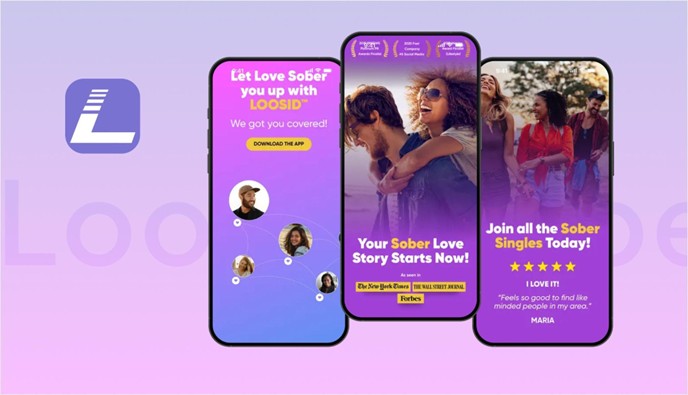
Sober dating apps like Loosid are designed for people who lead a substance-free lifestyle and want to build meaningful connections—minus the social pressures of alcohol-centered dating.

The platform also offers recovery support groups, sobriety tracking, and a judgment-free space to foster deeper relationships.

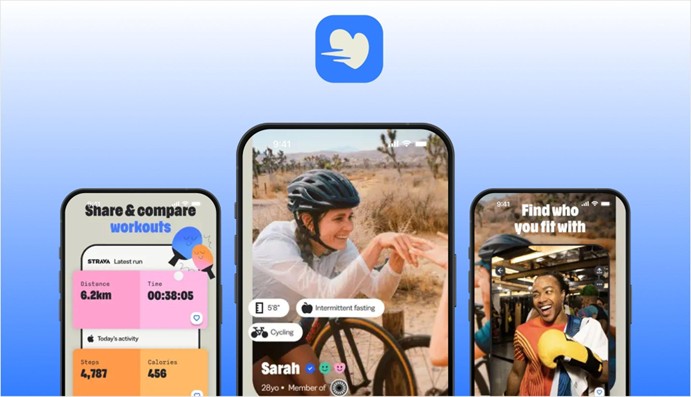
Fitness enthusiasts will feel right at home at Fitafy—a dating app that connects users based on shared health goals and active lifestyles. Whether it’s a hiking date or a post-workout smoothie, the platform puts fitness, wellness, and dietary preferences at the core of the dating experience.

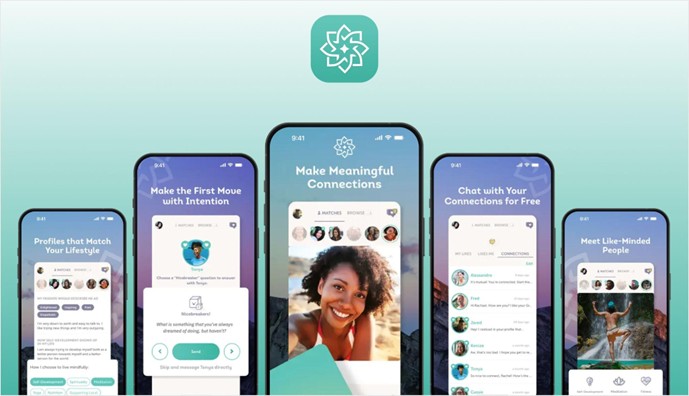
MeetMindful—an app that emphasizes mindfulness and holistic wellnessdeserves a mention, too, attracting users who prioritize self-care, personal growth, and seek emotional authenticity in their relationships.


Thinking about launching your own niche dating platform? Let’s bring your vision to life—get in touch with AppMakers USA today!

Apps Focusing on Interests, Lifestyle, and Shared Hobbies

Shared passions can lay the foundation for genuine connections—and niche dating apps have capitalized on this by creating environments tailored to specific interests and lifestyles.

Dietary choices can influence your dating preferences, too. So, if your lifestyle revolves around plant-based living, Veggly—the go-to dating app for vegans and vegetarians—is a great place to meet like-minded partners who share similar values regarding food, sustainability, and animal welfare.
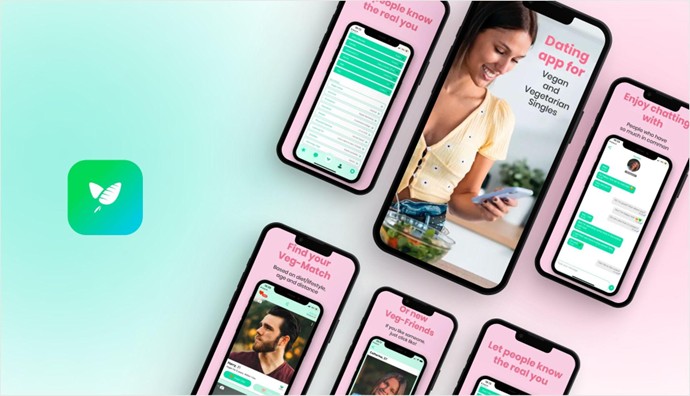
That same logic extends beyond lifestyle and into hobbies. Some of the most memorable niche dating apps work because they start with a built-in conversation. When users join around a hobby, they are already self-selecting into a smaller, more relevant pool, which cuts down the usual matching noise and gives people an easier reason to message each other. Pew found that about two-thirds of online daters say it was at least somewhat easy to find people who shared their hobbies or interests, which helps explain why interest-led matching remains compelling even as mainstream apps grow more crowded.

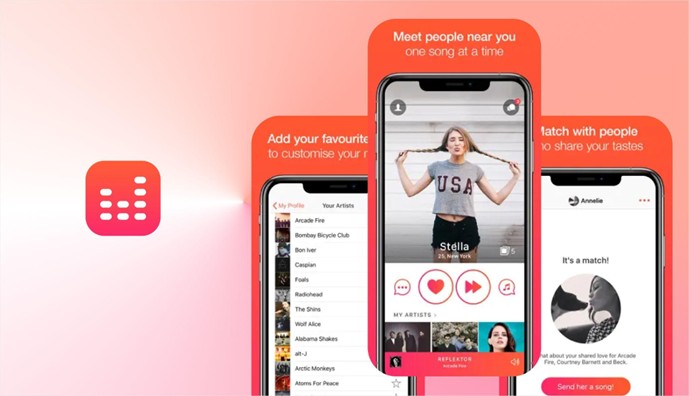
Tastebuds proved how strong that dynamic can be for music lovers. Before shutting down in 2025, the platform said more than 1 million people joined, shared 3.5 million songs, and sent 49 million messages through the app. That is a strong signal for founders: when the niche itself gives people something specific to talk about, engagement becomes easier to spark and sustain.


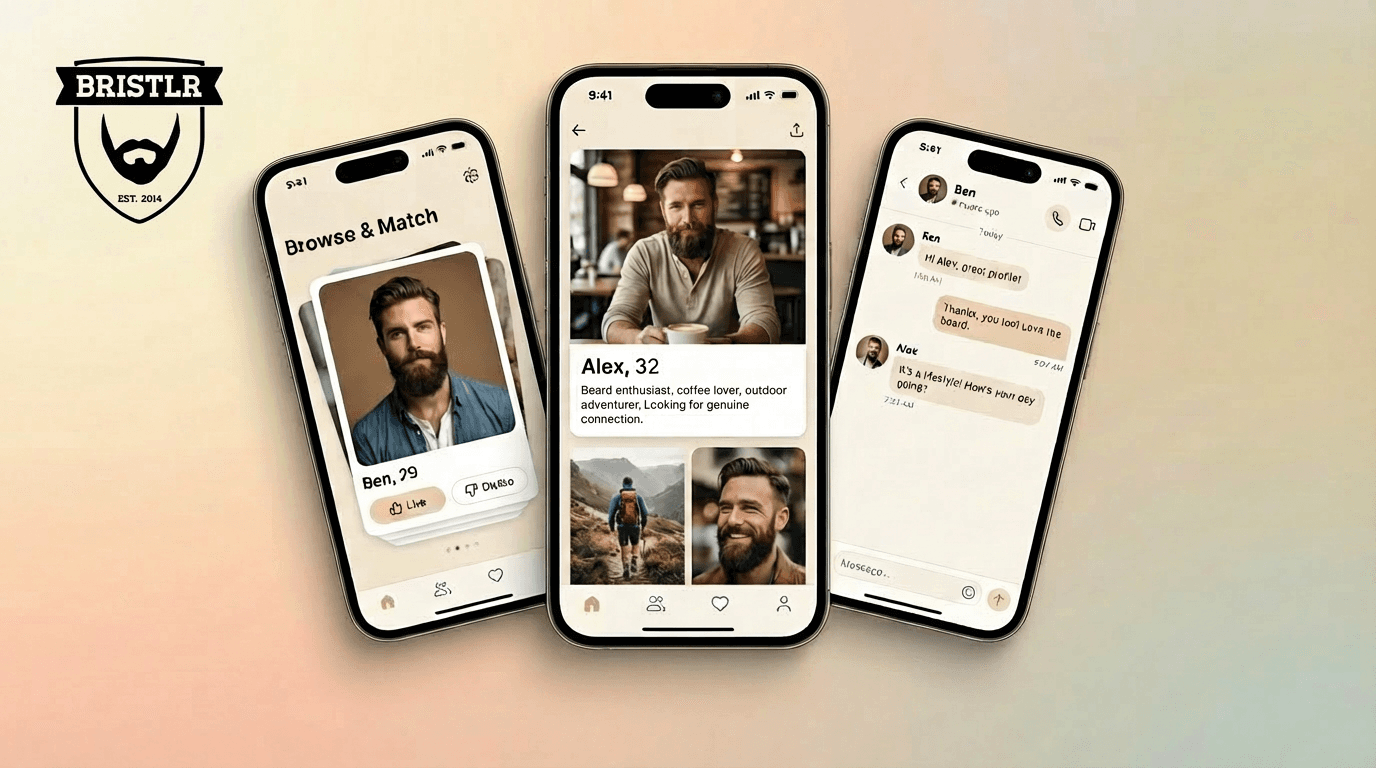
Bristlr took an even narrower angle and still found traction by building around beard culture. The app says it has generated more than half a million matches, and earlier reporting noted it hit 30,000 signups within months of launch. That kind of early adoption shows why hobby and identity micro-communities can work so well. People instantly know whether they belong there, and that clarity can create organic word-of-mouth inside tight interest groups.
Asset preview

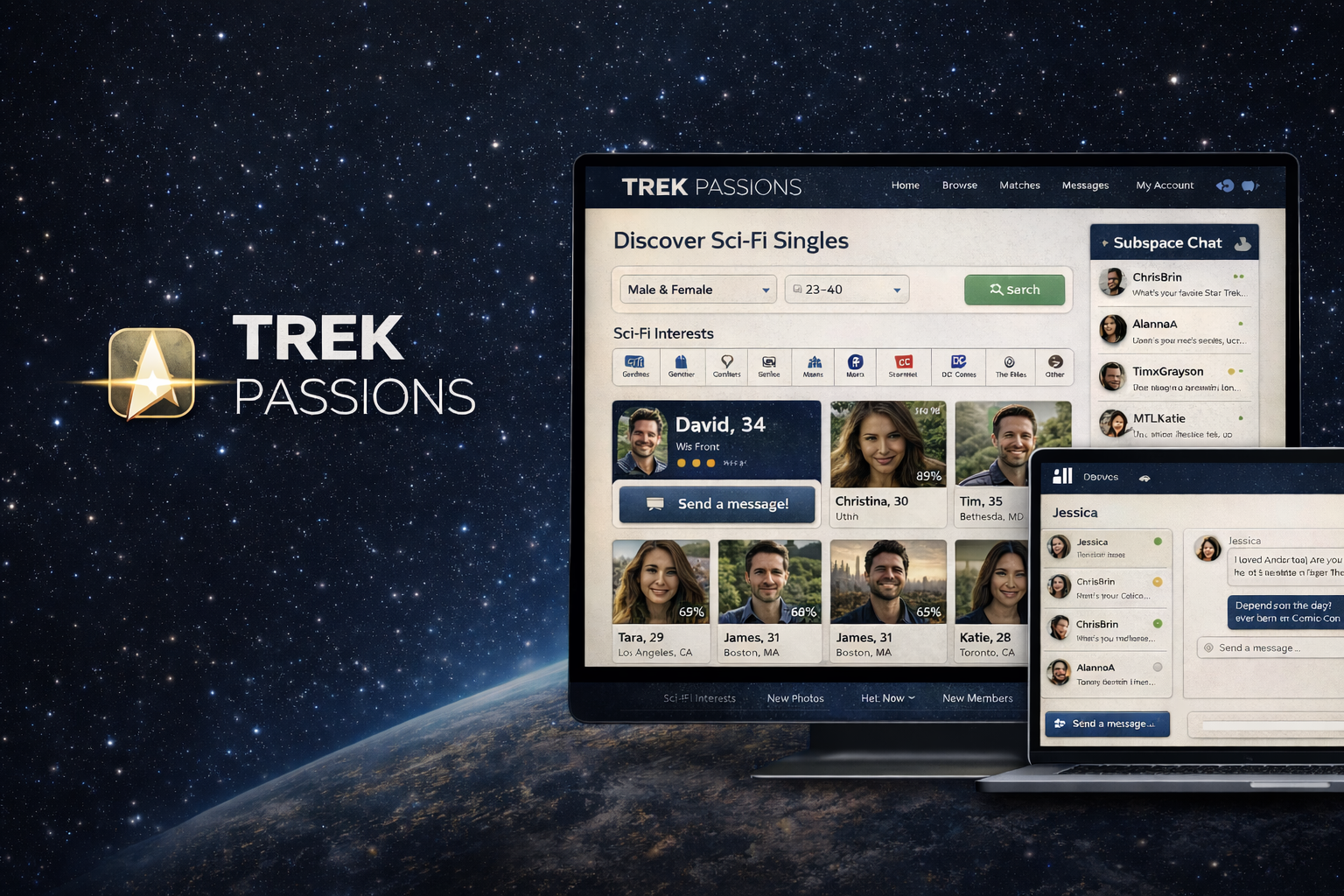
Then there is Trek Passions, which serves sci-fi fans, including Star Trek followers, with group features, chat, and fandom-based discovery. Its Star Trek group alone lists 1,977 members, which shows how a shared passion can act as both the matching filter and the community engine.

There are more than 8,000 dating apps and sites available but it’s niche platforms like these that increase the likelihood of finding compatible matches by focusing on specific interests. It’s more than simple matchmaking; they connect you with individuals who truly resonate with your way of life.

With an estimated market value of $9.65 billion in 2022, the dating industry continues to thrive as more users seek deeper connections through shared interests. If you're looking to develop such innovative platforms, App Makers LA can assist you in transforming niche interests into vibrant communities.

Senior-Focused Dating Options

As the dating landscape evolves, an increasing number of seniors are turning to technology to build meaningful connections. Approximately 35% of seniors have adopted dating apps as their primary method for finding partners. 

Platforms like Tinder and Bumble are popular choices—and as it turns out, seniors are actually more likely to find matches on Tinder compared to younger users. That said, they often prefer apps designed with their needs in mind. 

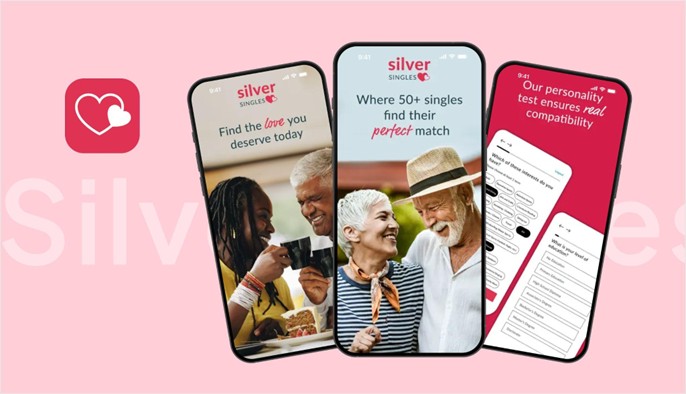
SilverSingles caters exclusively to users over the age of 50, offering a streamlined experience with personality-based matchmaking.

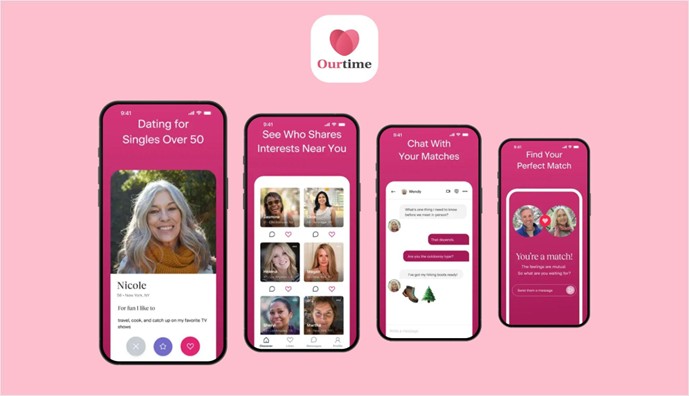
OurTime is another leading choice, focusing on companionship and long-term relationships for men and women over 50.

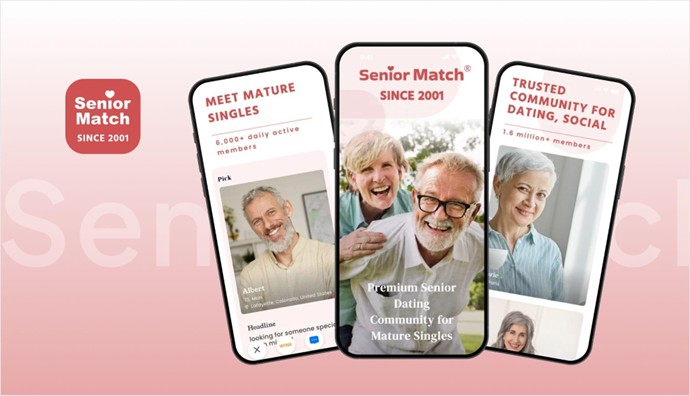
SeniorMatch, which has been around since 2003, stands out as one of the most trusted dating platforms, designed for individuals aged 50 and above looking for relationships, friendships, and even travel partners.

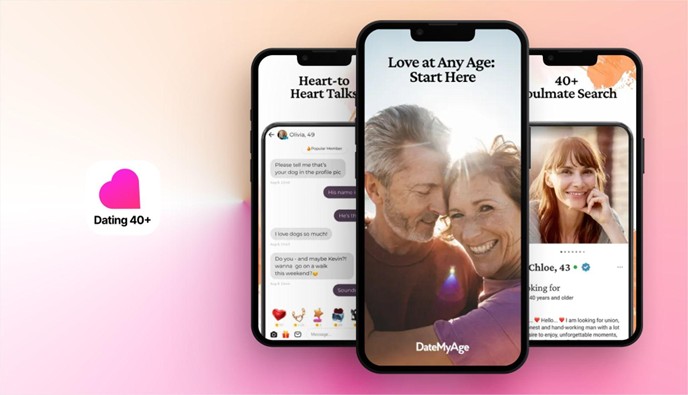
DateMyAge, on the other hand, provides a global dating experience, connecting mature singles across different countries who are open to long-distance relationships.

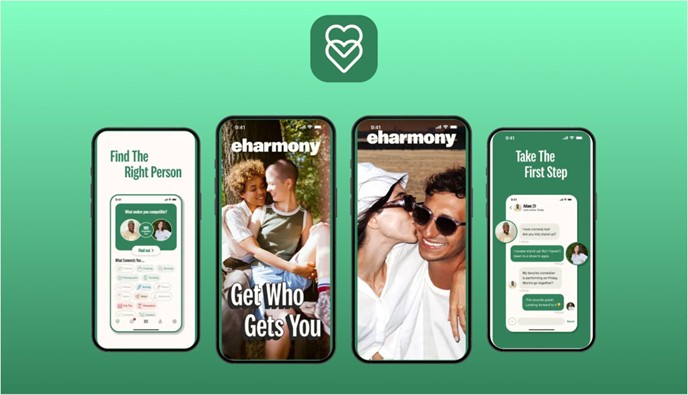
For faith-driven seniors, Christian Mingle clearly remains a top choice, while eHarmony offers an in-depth matchmaking process for serious relationships.


When it comes to dating preferences, many seniors prioritize shared beliefs and values, with a significant percentage valuing common religious or political views. What’s more, older adults are 29% less likely to prioritize looks in a potential partner compared to millennials, instead focusing on deeper emotional and intellectual compatibility. 

Still, 57% of women ages 50 and older describe their online dating experiences as “negative,” highlighting a gender difference in perceptions. And while the environment is generally safer, as harassment rates are lower for seniors, many seniors have also reported encountering scams, with nearly half indicating such experiences. 

If you're exploring senior-focused dating options, choosing an app with strong safety features and a welcoming community can make all the difference in your journey to finding meaningful companionship.

LGBTQ+ Specific Platforms

There’s a significant shift in how technology facilitates connections—and this trend is mirrored in the LGBTQ+ community, too, with platforms designed for diverse identities and orientations. 

With 55% of LGBTQ adults already using dating apps—a higher adoption rate than their straight counterparts—these platforms play a significant role in fostering connections. 

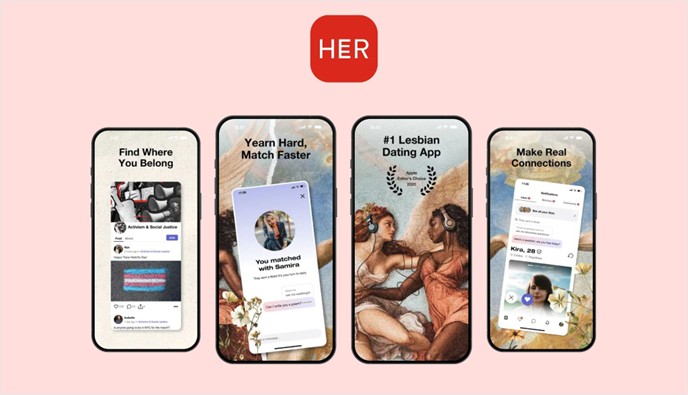
HER is one of the leading apps in this niche, known for creating a safe space for queer women and gender-diverse individuals where users can connect beyond just dating. With features like Instagram verification, HER helps foster both romantic and platonic relationships in a safe way.

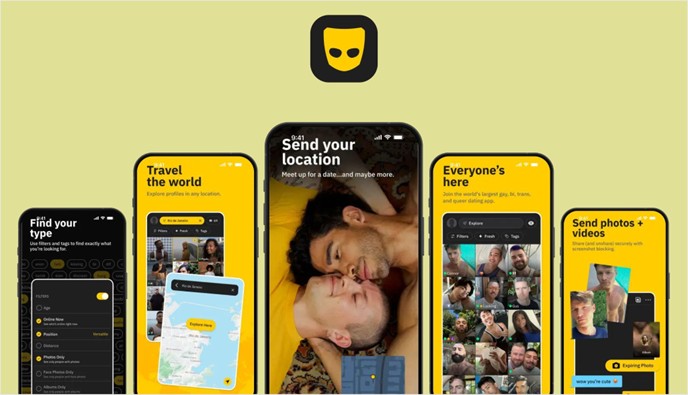
Grindr remains a widely recognized platform for gay, bisexual, and queer men, known for its location-based matching.

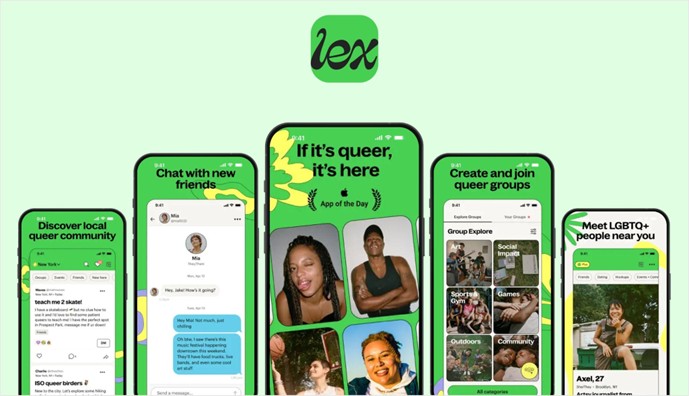
For those seeking deeper conversations and emotional compatibility, Lex offers a refreshing alternative, inspired by personal ads rather than swipe-based mechanics.

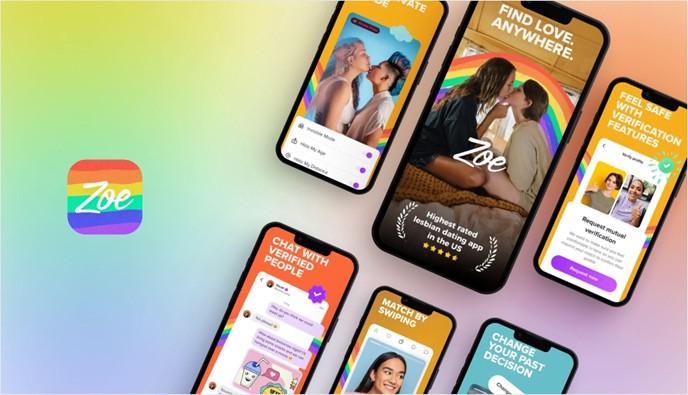
Similarly, Zoe, a dating app for queer women, focuses on fostering deeper connections through shared interests and emotional compatibility, with strict moderation policies ensuring a safe and respectful user experience.


Dating app users have surged to 366 million by 2022, which highlights the growing importance of online dating platforms and their role in fostering connections across various demographics. LGBTQ+ dating platforms not only provide tailored experiences but also ensure that users feel seen, respected, and empowered in their search for connection.

Non-Traditional Relationship Apps

While mainstream dating apps primarily cater to conventional relationships, there’s a growing number of platforms designed for those exploring polyamory, ethical non-monogamy (ENM), and alternative relationship structures. 

These non-traditional relationship apps create safe spaces where transparency, communication, and mutual consent are at the core of every connection, giving people the opportunity to explore relationships beyond conventional boundaries.
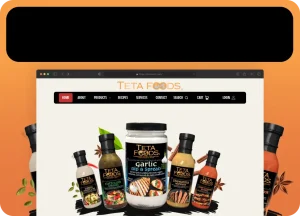
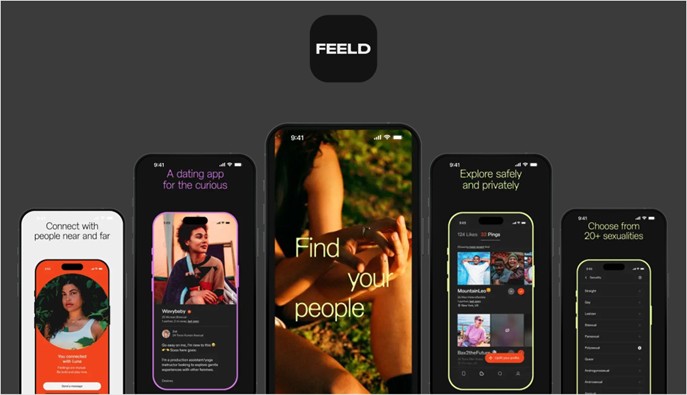
Feeld is one of the most well-known platforms for open-minded individuals and couples seeking polyamorous or non-monogamous relationships. With features like private group chats and incognito browsing, it offers a secure and judgment-free environment.

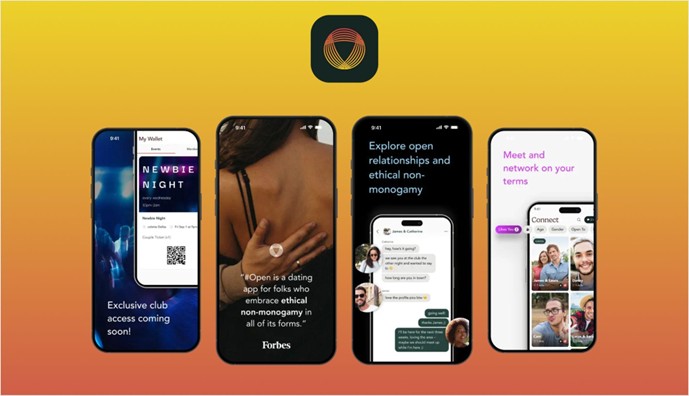
Open is focused on fostering connections for individuals practicing ethical non-monogamy and emphasizes transparency and honest communication.

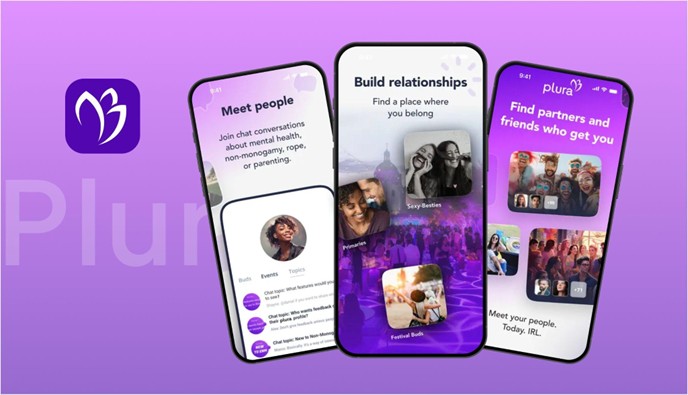
Plura supports ethical non-monogamous relationships, offering group chats and event features to enhance community interactions and real-world connections.

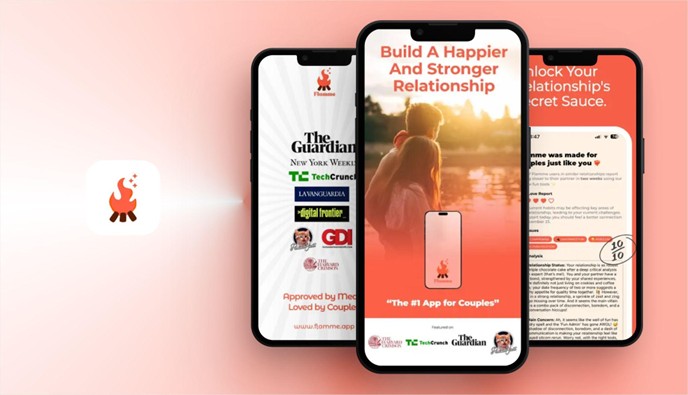
Users can also explore apps like Flamme, which offer daily questions and activities to nurture connections.


With the rise of inclusivity in mainstream apps like Tinder and Bumble, users have more options than ever to express their diverse relationship preferences. These apps create a welcoming and supportive space and ensure that each user's experience is distinctive and genuine.
The demand for inclusive dating platforms is growing—do you have an innovative idea for one? AppMakers USA can help you develop a dating app that caters to unique relationship dynamics. Reach out to explore your possibilities!
Millennial-Focused Premium Dating Platforms and Membership Models

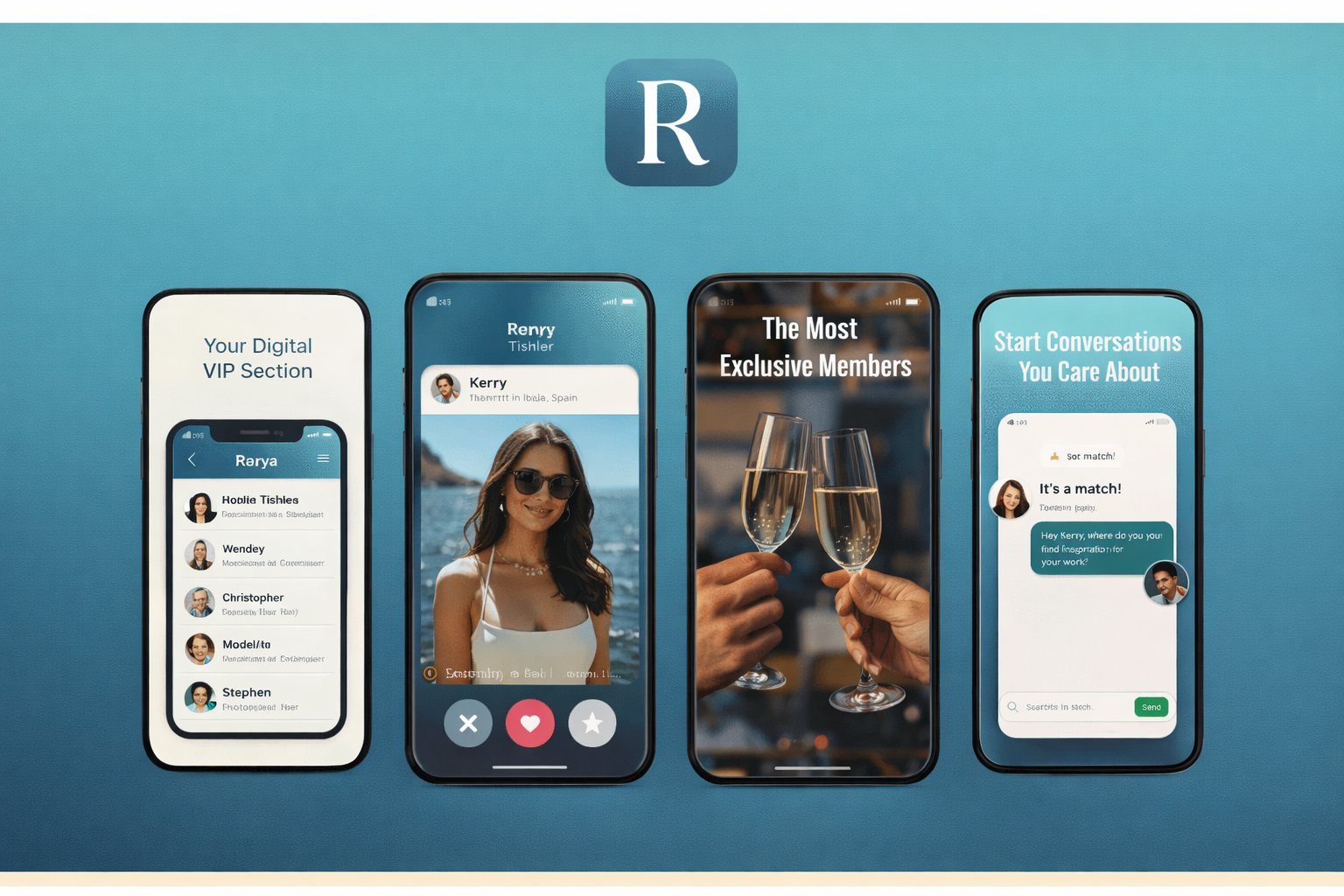
Some niche dating apps do not win by centering a hobby or relationship structure. They win by selling access, curation, and a more controlled experience. That is the appeal behind millennial-focused premium communities, where exclusivity is not a side feature. It is the product. Raya describes itself as a private, membership-based community, which shows how selective access can become the core value proposition for users who care more about quality than volume.
The League leans into that same logic through verification and curation. Its FAQ says users can authenticate through LinkedIn, Doximity, an edu email, or a corporate email, and its App Store listing includes paid tiers up to $99.99 for one month. That price only works if the app feels more filtered and intentional than a broad swipe app. A useful signal for founders is that Amanda Bradford said The League’s waitlist was 60% female while the live community was kept 50/50, suggesting premium positioning can attract quality-conscious users who value a more balanced pool.

Raya takes a different angle. It builds status and privacy directly into the experience. The company calls itself a private, membership-based community, and its App Store pricing shows a $24.99 standard membership plus a $49.99 Raya+ tier. For founders, that is the lesson: exclusivity can justify higher pricing when users believe the smaller pool is more relevant, more serious, and better protected from the low-effort behavior that crowds mainstream platforms.

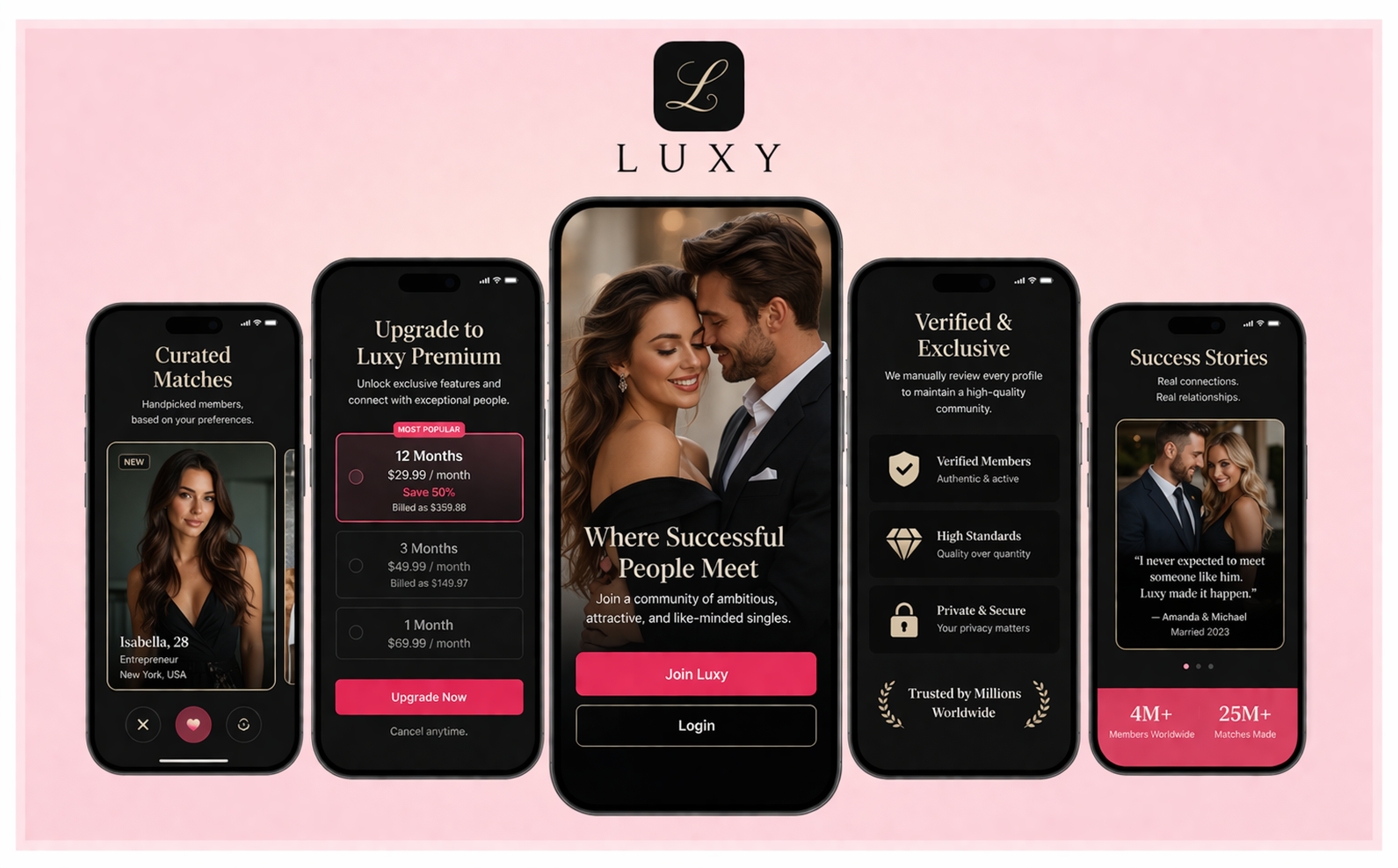
Luxy pushes the premium model even further by combining selectivity with high-ticket subscriptions. Luxy says every new profile goes through a 24-hour review, and its App Store pricing shows BLACK starts at $99.99 per month, with higher tiers available above that. That changes the unit economics fast. A dating app charging $100 a month only needs about 1,000 paying members to generate the same monthly topline as an app charging $10 a month with 10,000 paying members. For an AppMakers USA audience, that is the real takeaway: premium dating apps can work with much smaller user bases, but only if verification, moderation, and brand positioning are strong enough to make the price feel earned.

Rural and Regional Connections

In the vast expanses of rural America, finding love or companionship can present some unique challenges, but specialized dating apps have emerged to address this need and bridge the gap between distance and connectivity. 

These apps typically leverage geolocation technology to connect users with nearby matches, facilitating easier in-person interactions. Privacy features and local matching are tailored to the needs and preferences of rural users.

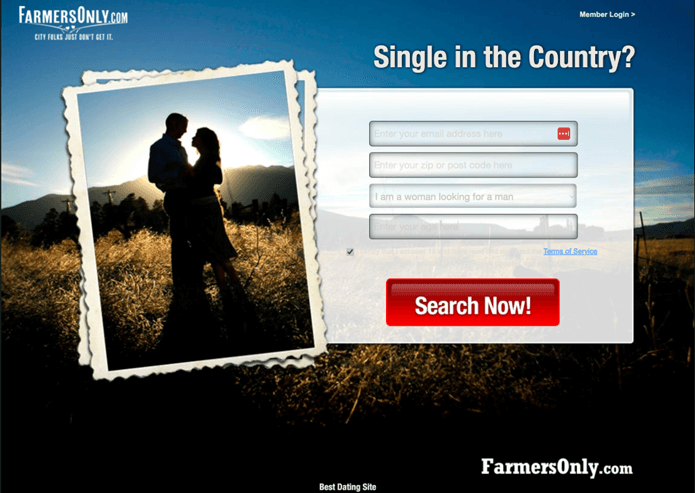
For instance, Farmers Only is a well-known dating platform that’s been around since 2005 and has a user base of 1.5 million monthly users. It caters specifically to singles from rural areas and is particularly popular in states like Arkansas and Iowa.

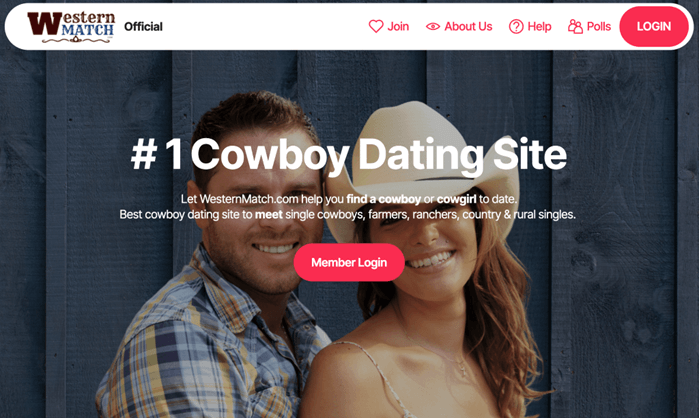
Of course, it’s not the only option. WesternMatch has been connecting cowboys, cowgirls, and other Western lifestyle enthusiasts since 2002, offering a tailored experience for those who love the country lifestyle.


Rural dating platforms highlight how much location can shape the user experience. But that same demand for practical, close-to-home matching is now influencing the wider dating market too, especially as more users expect apps to make real-world meetings easier.

Local and Hyperlocal Dating Apps for Nearby Singles

For many users, the best match is not just compatible. It is close enough to meet without turning dating into a commute. One survey found that about two-thirds of people set a dating app radius at 30 miles or less, which makes local matching a much bigger priority than this article currently reflects.

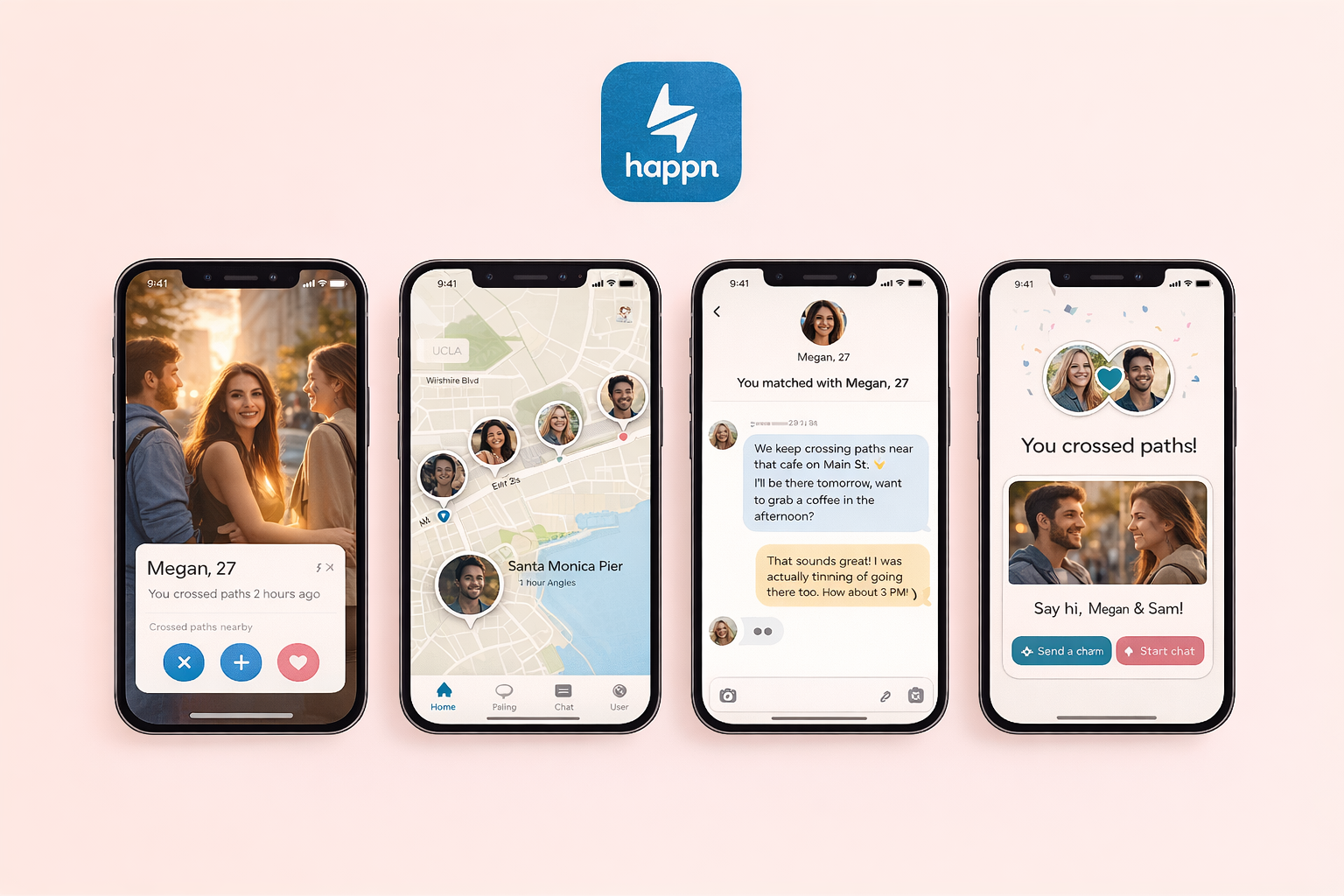
Happn built around that exact behavior by showing people you have actually crossed paths with in real life. The company says it has more than 180 million users worldwide, which shows how far a location-first concept can scale when the use case is obvious.

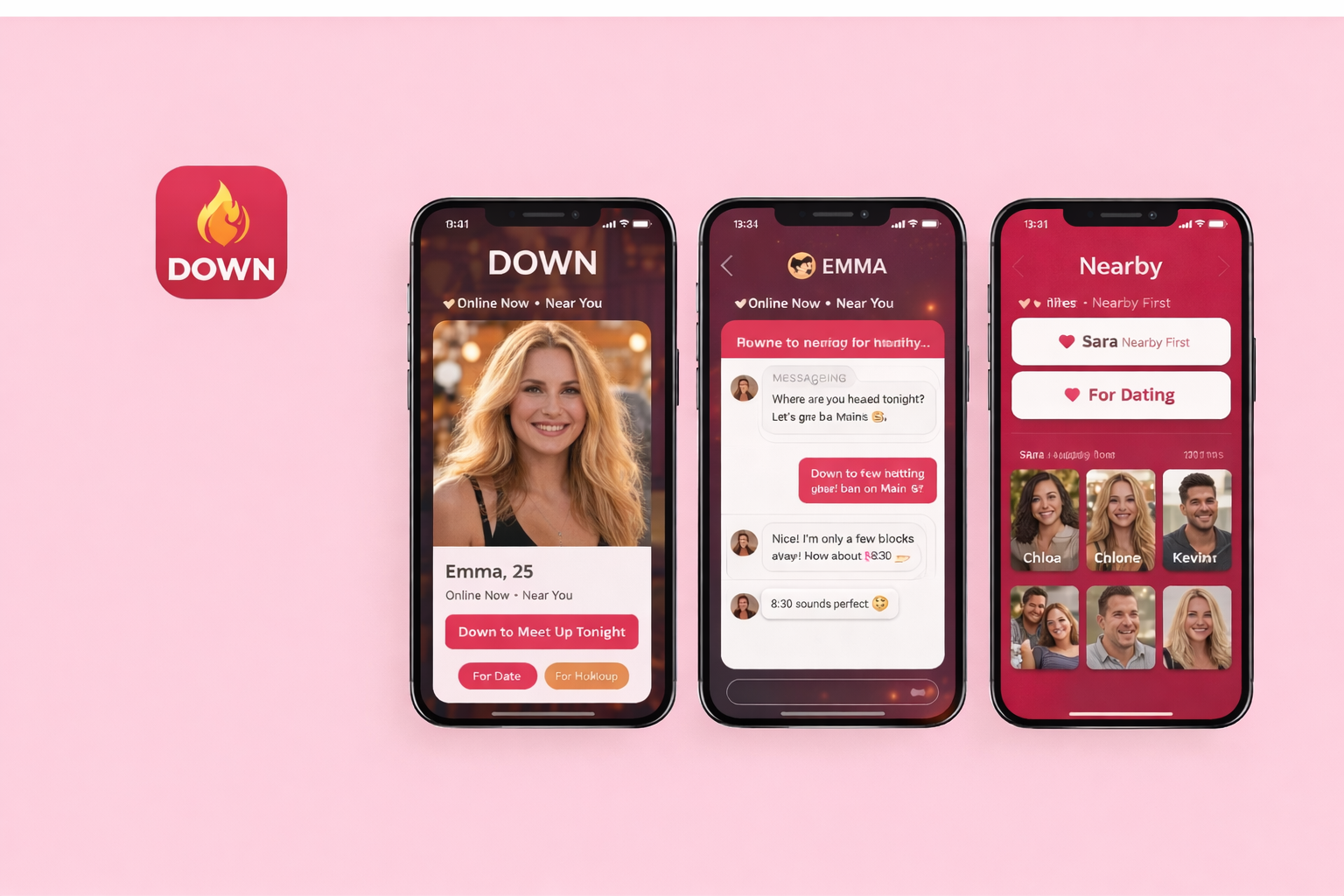
DOWN takes a more immediate angle by focusing on nearby matches and quick meetups. The app says it helps people meet locals nearby and has a global user base in the millions, which makes it a good example of how proximity can be turned into the core value proposition.

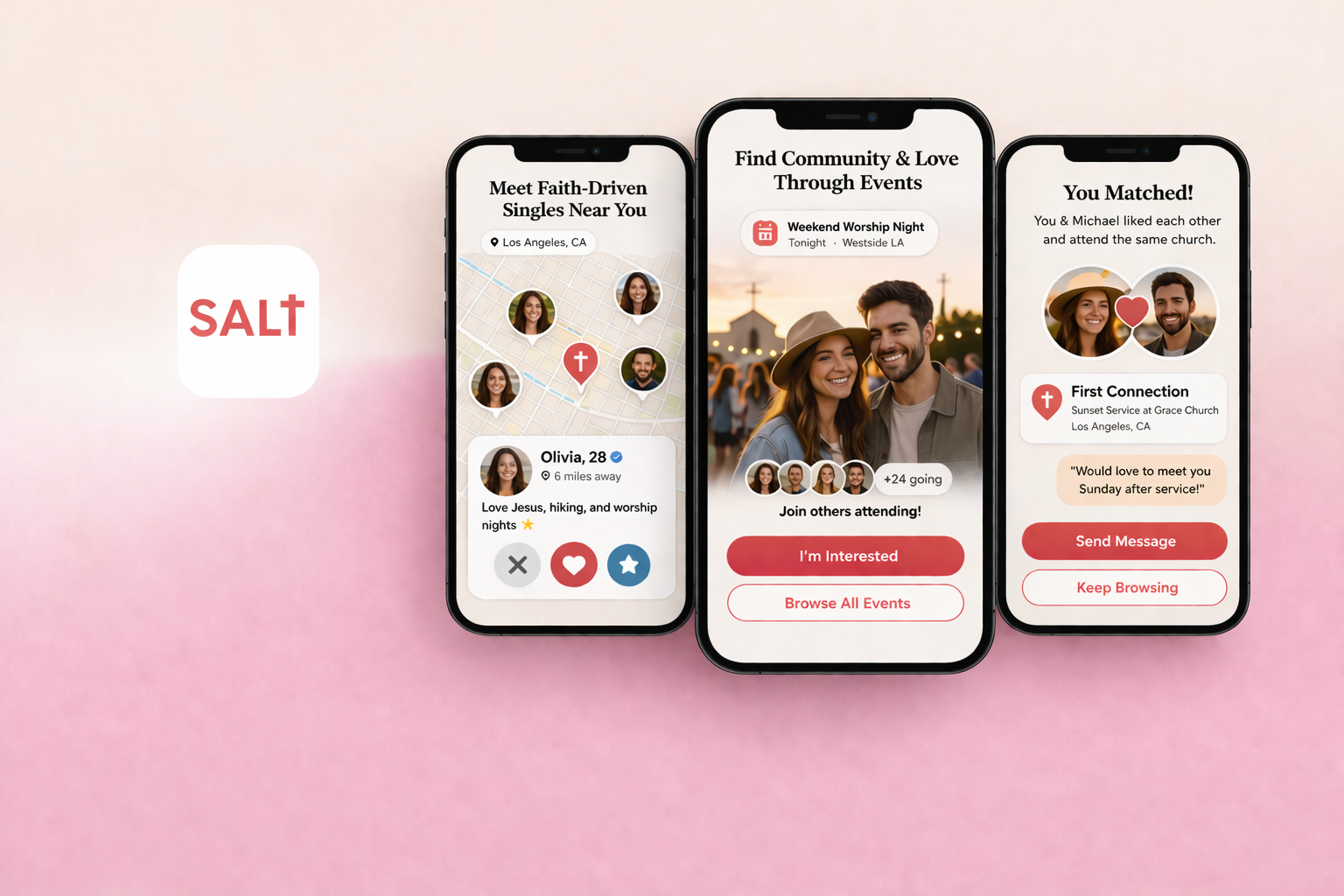
SALT shows the local angle can work for more intentional dating too. Its platform is built to help Christians meet singles in their area and adds community through live events and local discovery, which creates a stronger trust layer before people ever meet offline.

With online dating becoming a mainstream method for meeting partners, the dating app market is experiencing significant growth, with a CAGR of 6.8% for location-based dating apps. That is further driven by increased smartphone penetration, which enhances access and engagement, contributing to a larger potential user base for dating apps. 

Notably, 53% of adults ages 18 to 29 have used a dating site or app before, demonstrating the widespread adoption of these platforms among younger demographics.

Aaron Gordon

Aaron Gordon

Aaron Gordon is the Chief Operating Officer at AppMakers USA, where he leads product strategy and client development, taking apps from early concept to production-ready software with high impact.

Ready to Develop Your App?

Partner with App Makers LA and turn your vision into reality.
Contact us

Frequently Asked Questions (FAQ)

Niche dating apps prioritize user safety and data security through features like incognito modes, multi-factor authentication, and encryption. Many also have strict moderation and reporting tools to ensure a secure and respectful environment.

Pricing varies by platform. Subscription plans typically range from $10 to $50 per month, with additional in-app purchases available to enhance profiles and unlock premium features. Many apps also offer free versions supported by ads or event-based monetization. It's important to select an option that aligns with your financial preferences.

Absolutely! While niche dating apps may seem ill-suited for long-distance relationships, they can actually foster stronger connections by focusing on shared interests or values, which can bridge the gap in long-distance relationships. Features like video calls, messaging, and virtual events make it easier to stay connected, too.

User verification in niche dating apps is a critical aspect of ensuring trust and safety among users. Tinder, for example, employs photo and ID checks, while Bumble has a unique approach that involves pose-mimicry for user authentication. Strong verification processes help create a safer dating environment and play a significant role in shaping users’ confidence in the platform.

Yes! There is a surprising variety of niche dating apps available, catering to a wide range of hobbies and interests. Whether you enjoy knitting, extreme sports, or any other unique pursuit, you can find an app designed to connect you with others who share your passion.

See more
Chevron-1

Let’s Build the Next Game-Changing Dating Platform Together

As online dating continues to evolve, niche dating apps are proof that love isn’t one-size-fits-all. Whether it’s faith, lifestyle choices, or alternative relationship dynamics, these specialized apps create spaces where users can connect over what truly matters to them.

Instead of swiping aimlessly, people can build relationships rooted in shared values and genuine compatibility—and navigate the complexities of modern romance more successfully.

Are you looking to develop innovative dating platforms that cater to specific communities? AppMakers USA has the expertise to bring your vision to life. From concept to launch, our team can help you transform unique dating experiences into thriving digital spaces.


Exploring Our App Development Services?

Share Your Project Details!

Vector-60
We respond promptly, typically within 30 minutes!
Tick-4
  We’ll hop on a call and hear out your idea, protected by our NDA.
Tick-4
  We’ll provide a free quote + our thoughts on the best approach for you.
Tick-4
  Even if we don’t work together, feel free to consider us a free technical
  resource to bounce your thoughts/questions off of.
Alternatively, contact us via phone +1 310 388 6435 or email [email protected].
    Copyright © 2026 AppMakers. All Rights Reserved
    Follow us on socials:
    linkedin facebook pinterest youtube rss twitter instagram facebook-blank rss-blank linkedin-blank pinterest youtube twitter instagram